by Kasia Dylag | Oct 7, 2026 | Industry Initiatives, Industry Transformation, Policy Areas childpages, Social affairs
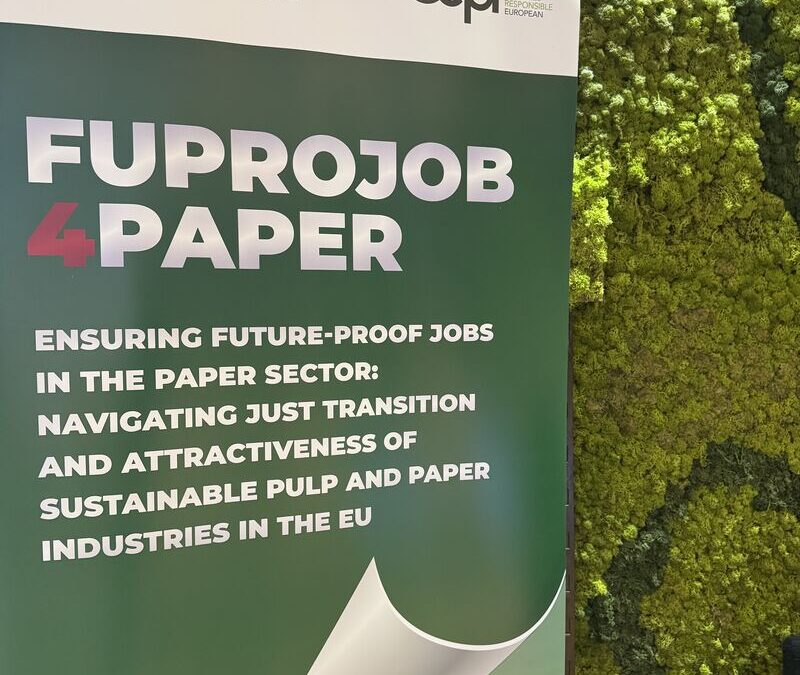
What skills will workers in Europe’s pulp and paper industry need in the next five to ten years, and how can education and training keep pace with the transformation of the sector? These questions were at the heart of the second regional workshop of the FUPROJOB4PAPER...
by Piotr Pogorzelski | Oct 1, 2026 | Sustainability and Circularity
Since 2000, the European paper value chain has been committed to the two-fold aim of improving recycling and increasing efforts to remove obstacles hampering paper recycling in Europe. The signatories of the European Declaration on Paper Recycling 2021-20301 committed...

by Piotr Pogorzelski | Oct 1, 2026 | Policy Areas childpages, Sustainability and Circularity
European Paper Recycling Council (EPRC) data shows that the recycling rate for all paper products, including graphic paper, packaging and tissue, remained stable at 76.4% in 2025, confirming the robustness and maturity of Europe’s paper recycling system. The stable...
by Piotr Pogorzelski | Sep 30, 2026 | Energy Transition and Green Deal
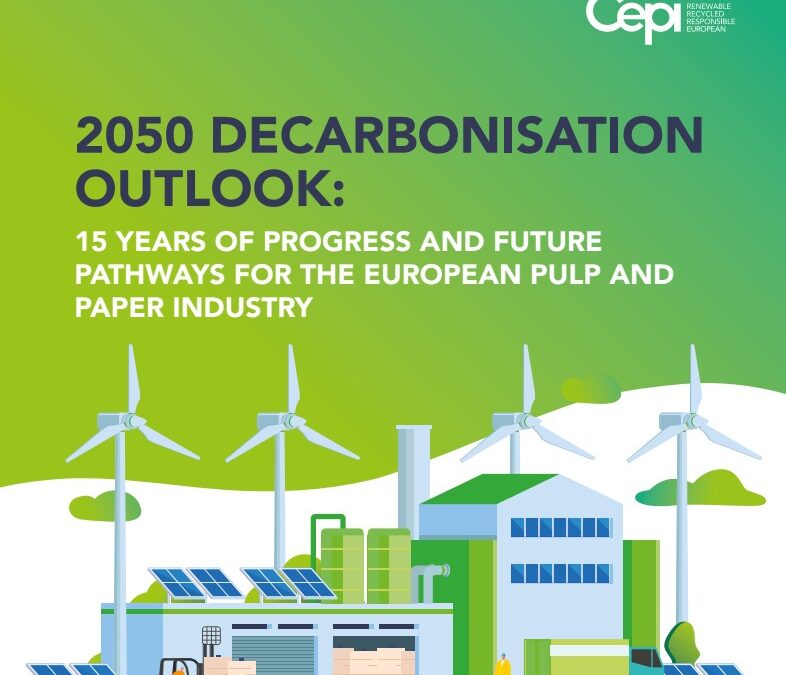
The European pulp and paper industry has exceeded the decarbonisation ambition set out in Cepi’s 2011 roadmap, demonstrating that industrial competitiveness and climate ambition can go hand in hand, as highlighted in a study by Vision Hunters for Cepi. Since Cepi...
by Piotr Pogorzelski | Sep 28, 2026 | Policy Areas childpages
The Board of Cepi, the Confederation of European Paper Industries, has appointed Francesca Stevens as its next Director General. An experienced European industry advocate, she takes up the position on 28 September succeeding Jori Ringman, who has led the association...
by Piotr Pogorzelski | Sep 24, 2026 | Energy Transition and Green Deal
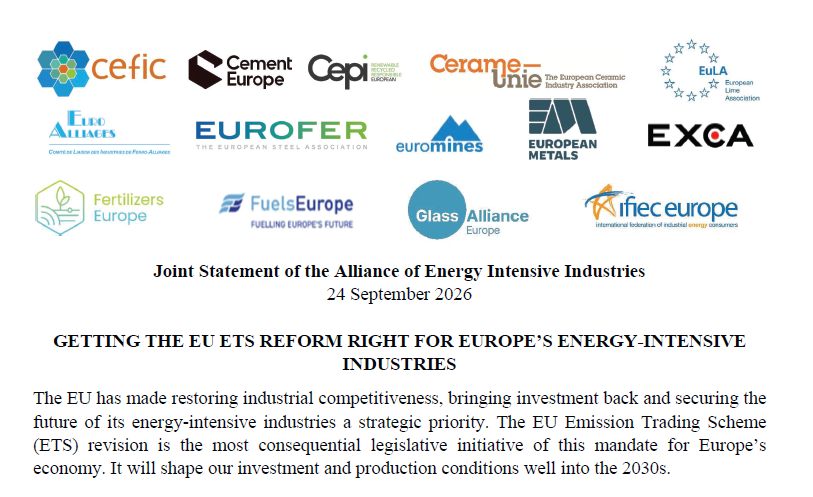
The EU has made restoring industrial competitiveness, bringing investment back and securing the future of its energy-intensive industries a strategic priority. The EU Emission Trading Scheme (ETS) revision is the most consequential legislative initiative of this...